RFID Applications in Smart Laundry Management Systems (Part 1)
2026-06-30
RFID Applications in Smart Laundry Management Systems (Part 1)
1. Industry Background
Currently, hotels, hospitals, bathhouses, and professional laundry companies face numerous processes such as the handover, washing, ironing, sorting, and storage of work uniforms and textiles. Effectively tracking and managing each piece of textile through its washing process, frequency of washing, inventory status, and classification presents a significant challenge
1. Traditional paper-based laundry task handovers are cumbersome and difficult to track;
2. Concerns about cross-contamination may prevent the accurate counting of certain soiled linens, leading to mismatches between the quantity of washed items and tasks, which could easily result in commercial disputes;
3. Each step of the washing process cannot be accurately monitored, potentially leading to missed linen treatments;
4. The washed linens cannot be accurately categorized, resulting in wasted storage space;
5. Unable to accurately determine the minimum safety stock quantity for each piece of linen.
picture
II. System Introduction
The RFID laundry management system introduces RFID wireless radio frequency identification technology, making linen management more transparent, improving work efficiency, and addressing management challenges previously unachievable with other technologies, such as statistics and handover of large quantities of linens awaiting washing.
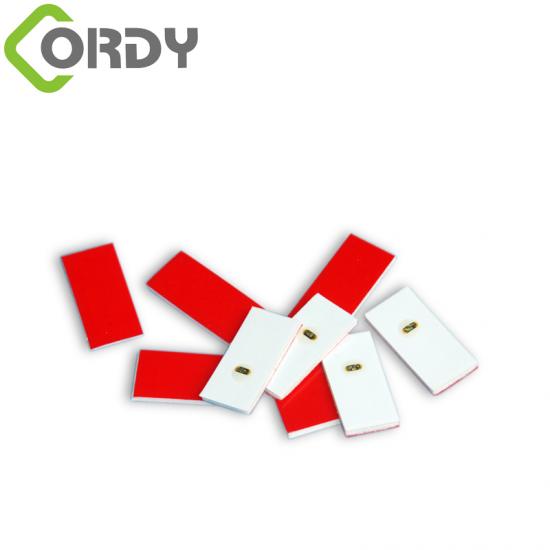
The system sews an electronic tag in the shape of a strip onto each piece of linens, containing a globally unique identifier—meaning each piece of linen has a unique management code. Throughout the usage and laundering management process, the system automatically records the linen's usage status and washing frequency via RFID readers. It supports batch reading of tags during task handovers, streamlining the handover process and reducing operational disputes. By tracking washing frequency, the system can estimate the remaining lifespan of the linens, providing predictive data support for procurement planning.
III. System Advantages
1. Manual workload can be reduced by 40-50%;
The visualization level of linen products reaches over 99%, reducing the risk of linen shortages;
3. Improved supply chain management can reduce work service time by 20-25%;
4. Improve the accuracy and reliability of stored information;
5. Efficient and accurate data collection enhances operational efficiency;
6. Automatically collect, distribute, and recycle data to reduce human errors;
7. Reduce the comprehensive cost of linen laundry management for users.
 English
  français
 русский
 español
 português
 العربية
 한국의
한국의 Türkçe
 ไทย
ไทย Tiếng Việt