RFID is more than just "tagging": the real opportunity lies in end-to-end digitalization
2026-10-16
RFID is more than just "tagging": the real opportunity lies in end-to-end digitalization
The value of RFID is transitioning from single-point identification to end-to-end digitalization. For enterprises, the real opportunity lies not in simply adding another tag, but in enabling every product, asset, and transaction to enter a system of identifiable, trackable, and manageable data.
RFID is evolving from a past "identification tool" into an infrastructure that connects physical objects, data, and operational systems for enterprises.
Enterprises no longer need just a label, but a digital closed-loop system that enables visibility, tracking, analysis, and decision-making.
In the apparel retail scenario, every step of a garment's journey—from production, warehousing, allocation, shelving, sales to returns and exchanges—can be recorded by RFID. For brands, this means more accurate inventory, faster stocktaking, timely store replenishment, and easier coordination between online and offline inventories.
In the linen laundering scenario, hotels, hospitals, and laundry plants have traditionally faced challenges such as difficult quantity verification, hard-to-track turnover, and complex lifespan statistics. RFID laundry tags enable each piece of linen to have a unique identity, creating a traceable record from receipt and dispatch, cleaning, distribution to disposal.
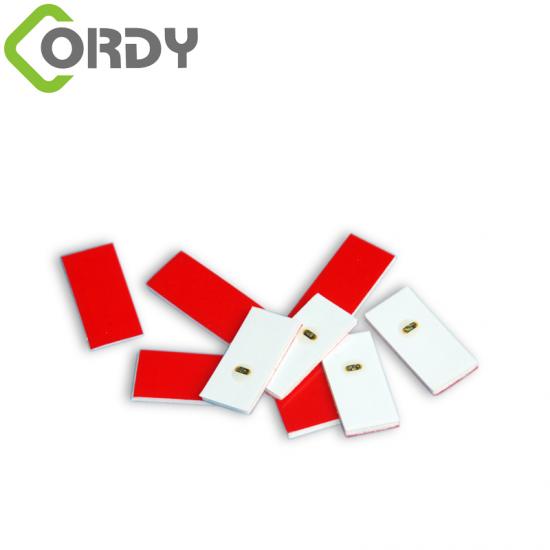
In industries such as manufacturing, healthcare, and logistics, the value of RFID continues to expand. Anti-metal tags, medical wristband tags, pharmaceutical labels, and anti-counterfeiting NFC tags are all helping enterprises transform previously "invisible, untraceable, and unmanageable" items into identifiable, locatable, and manageable data assets.
An RFID tag appears small in size, but when connected to reading/writing devices, warehouse systems, store systems, and AI data analysis platforms, it becomes more than just a consumable—it serves as a gateway for enterprises to perceive the real world.
In the future RFID competition, it may no longer be about whose tags are cheaper, but rather who can truly integrate tags, devices, data, and scenarios.
 English
 français
 русский
 español
 português
 العربية
 한국의
 Türkçe
 ไทย
 Tiếng Việt