 English
 français
 русский
 español
 português
 العربية
 한국의
 Türkçe
 ไทย
 Tiếng Việt


Call Us Now
+8615914489090





+8615914489090
What does RFID mean
The full name of RFID is Radio Frequency Identification,
which is translated as Radio Frequency Identification technology in Chinese. It
is an automatic identification technology that uses wireless radio frequency to
achieve non-contact bidirectional data communication, and is also one of the
core supporting technologies of the Internet of Things perception layer.
Core system composition
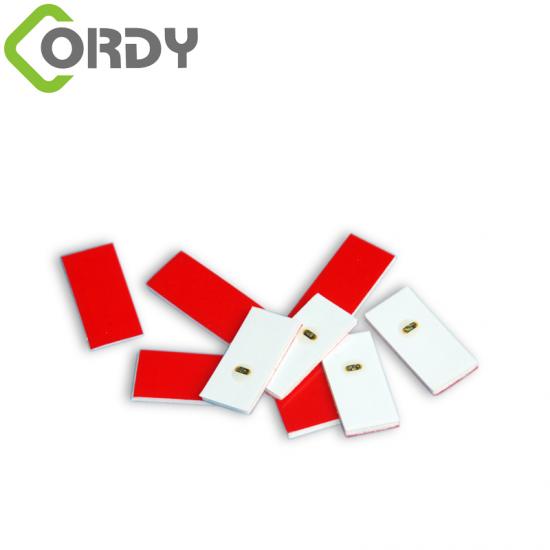
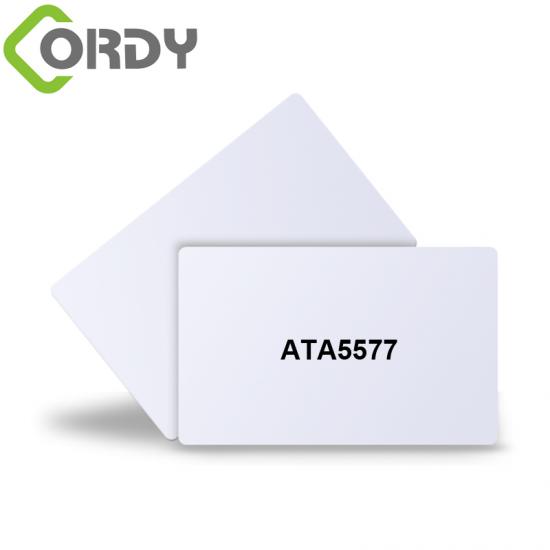
Electronic tag: composed of a chip and an antenna, it stores
the unique identification or business data of the item to be identified, and is
divided into three categories according to the power supply mode: active,
passive, and semi-active.
Reader/writer: Transmits RF signals through an antenna to
read or write tag information, and some models support concurrent recognition
of multiple tags.
Antenna: It transmits radio frequency signals between tags
and readers, and is a key component for achieving energy and data interaction.
Core technical features
Support non line of sight reading, no need to align and scan
like barcodes, and can work in harsh environments such as high dust and high
humidity.
It can recognize dozens to hundreds of tags in batches in
seconds, and the reading distance in the ultra-high frequency band can reach
several meters to more than ten meters.
Label data can be repeatedly erased and written, with a
storage capacity much larger than traditional barcodes, and can also integrate
encryption mechanisms to ensure data security.
Mainstream application scenarios
Currently, RFID has been widely implemented in multiple
fields:
Logistics warehousing: Rapid inventory counting can improve
inventory accuracy by more than 10%.
Transportation: scenarios such as toll collection without
stopping on highways through ETC and seamless customs clearance.
Public services: access control system, ID card
anti-counterfeiting, food safety traceability, medical asset tracking, etc.